Damian Keys & Doors Solutions Service Team
Local locksmith team
Oct 26, 2026 9 min read
You just got the keys to your new Toronto home — congratulations. But here's something a lot of new homeowners don't think about until it's too late: you have no idea how many copies of those keys are floating around. The previous owners, their relatives, old tenants, a contractor who worked on the place last summer — any of them could have a copy. The good news is that you don't have to replace every lock in the house to fix this. You just need to understand the difference between rekeying and changing the locks, and which option actually makes sense for your situation.
Whether you're moving into a semi-detached near Danforth Avenue, a condo townhouse in Liberty Village, or a detached home out in Scarborough, the security decision you make in your first week sets the tone for everything after. This guide breaks down both options honestly — what each one involves, what factors affect the final cost, and when one is clearly the smarter call.
## Rekeying vs. Replacing: What Actually Happens Inside the Lock
When a locksmith rekeys a lock, they disassemble it and rearrange the internal pins so that the old key no longer works — only the new one does. The lock hardware itself stays exactly where it is. This is a straightforward, well-established service that works on most standard cylindrical locks and deadbolts you'll find on Toronto residential doors. If your locks are in good mechanical condition and you're simply worried about who might have a copy of the previous key, rekeying is usually the most direct solution.
Replacing the lock means removing the existing hardware entirely and installing a new lock — new cylinder, new hardware, new keys. This makes sense when the existing lock is worn, damaged, a low-grade model that doesn't meet your security needs, or when you're upgrading to a different lock type altogether. One common upgrade Toronto homeowners make is switching to a mortise lock, which replaces the simple cylindrical mechanism with a more robust rectangular lock body that fits inside a pocket (or mortise) cut into the door itself. A mortise lock offers significantly more resistance to forced entry and is the standard on many older Toronto homes — if yours already has one, it's worth keeping and simply having it serviced or rekeyed rather than downgrading.
## When Rekeying Is the Right Call After Moving In
If the locks on your new home are solid — good brands like Schlage or Kwikset, no visible wear, no sticking or grinding when you turn the key — rekeying is almost always the smarter starting point. You get a fresh set of keys, the previous owner's copies become useless, and the job takes a fraction of the time a full replacement would. For a household with multiple exterior doors, rekeying also gives you the option to have all locks keyed alike, meaning one key opens everything. That's a genuinely useful quality-of-life upgrade that gets overlooked.
There are a few scenarios where rekeying is clearly the right move: you're moving into a property that has had multiple tenants, you lost a key during the moving process, or you want to remove access for a contractor or property manager who had a key during the sale. In all of these cases, the lock hardware is not the problem — the key history is. A skilled locksmith can rekey most residential locks quickly on-site, and the result is exactly as secure as a brand-new lock using the same cylinder.
## When You Should Change the Lock — or Upgrade Entirely
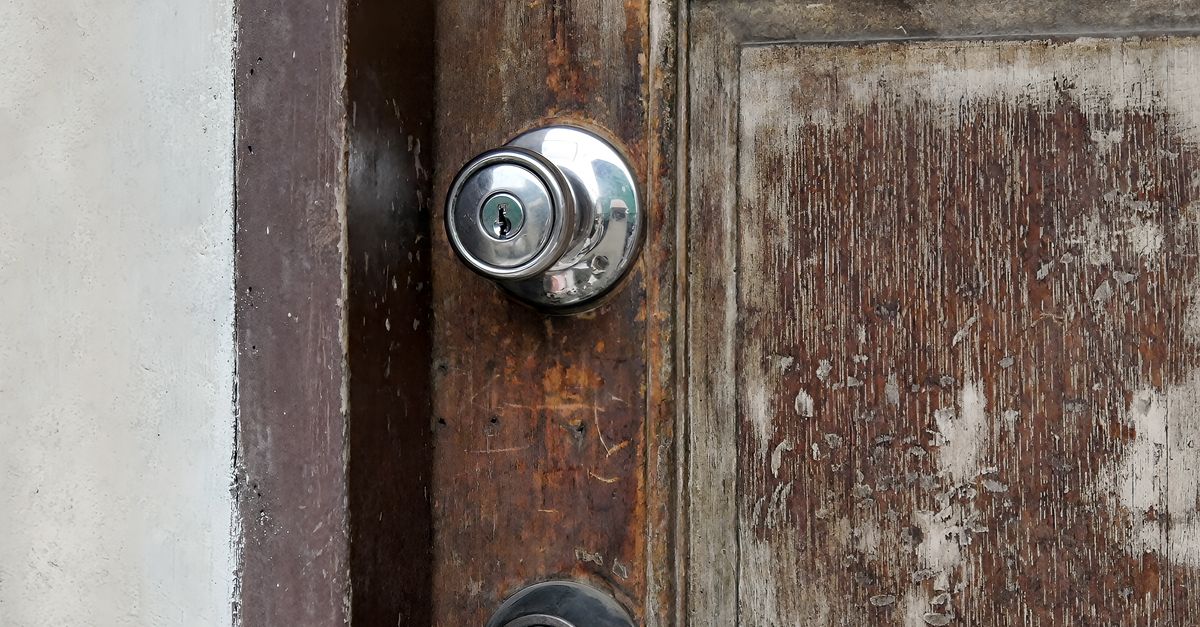
Rekeying has limits. If the existing lock is a basic door knob lock with no deadbolt — which you'll still find on some older Toronto rental conversions and basement suites — that's a security gap worth addressing directly. A door knob lock alone is not a substitute for a proper deadbolt, and no amount of rekeying changes the mechanical weakness of the hardware itself. In this case, the right answer is a full lock change, ideally to a Grade 1 deadbolt or a mortise lock system depending on your door's construction.
The same logic applies if you're dealing with a damaged lock, a misaligned strike plate, or a door that shows signs of previous forced entry. A rekey won't fix a lock that's already compromised. If you've purchased an older Toronto home — particularly a Victorian or Edwardian semi in areas like Roncesvalles or the Annex — it's common to find original mortise lock hardware that's decades old. Sometimes that hardware is still excellent and worth restoring; other times it needs to be replaced with a modern mortise lock system. An experienced locksmith can assess it on the spot and tell you exactly what you're working with before any work begins. If you're unsure about the condition of your locks after moving in, our team is available around the clock — call (647) 692-2560 and we can come take a look.
## Understanding Lock Codes: Keypads, Smart Locks, and Combination Systems
A growing number of Toronto homeowners are choosing electronic or smart locks when they change the lock on their front door. These systems don't use a traditional key at all — or they use one only as a backup. If you've moved into a home that already has a keypad or electronic deadbolt installed, your first priority is changing the access code, not just collecting the previous owner's physical keys. How to change the code on a door lock varies by model: most systems require you to enter the existing master code, press a programming button, and input your new code — but the exact steps differ between manufacturers. Some models, like a Honeywell door lock, have a specific sequence involving a reset button on the back of the unit. If you're unsure how to change the code on your door lock, or if you've moved in and the previous owner can't provide the master code, a qualified locksmith can reset or replace the electronic module entirely.
The same principle applies to combination locks used on outbuildings, detached garages, or secondary storage on your property. How to change the code on a combination lock depends on whether it's a resettable model — many padlocks and gate locks can be reset with the existing combination before a new one is set. If you don't have that original combination, a professional can assess whether the lock can be reset non-destructively or whether replacement is the cleaner option. The broader point is this: any access credential tied to your new property — physical key, keypad code, combination — should be changed or verified before you consider the home truly secured.
## What Determines the Cost — and Why You Should Ask Upfront
One of the most common questions we hear is 'how much will this cost?' The honest answer is that it depends on several factors: the type and brand of lock involved (a mortise lock service is more involved than a standard deadbolt rekey), the number of doors, whether you need new hardware or just a cylinder change, the time of day you call, and travel distance to your property. Emergency locksmith calls outside regular hours involve different logistics than a scheduled daytime appointment, and that's reflected in how the job is priced. What we can tell you is this: before any work begins, you'll get an exact quote — no surprises after the job is done.
This transparency matters a lot for new homeowners who are already managing moving costs and may be watching their budget carefully. The goal isn't to upsell you on hardware you don't need — it's to look at what you actually have, explain your options clearly, and let you make the call. Our team handles residential rekeying and lock changes, mortise lock service and replacement, door knob lock upgrades, electronic and smart lock programming, and commercial locksmith work for anyone also managing a small business or rental property. Whatever your situation looks like after moving in, reach out to us at (647) 692-2560 — we're available 24 hours a day, 7 days a week, and we'll give you a straight answer before we touch anything.
Frequently asked questions
Is rekeying as secure as replacing the lock entirely?+
Yes — if the existing lock hardware is in good condition, rekeying gives you the same level of security as a brand-new lock with a fresh key. The internal pins are reconfigured so all previous keys become useless. The only time rekeying is not enough is when the hardware itself is worn, damaged, or a low-grade model that doesn't meet modern security standards. A qualified locksmith can assess this on the spot and give you an honest recommendation.
How do I change the code on my door lock if I don't have the original master code?+
If you've moved into a home with an existing electronic lock and you don't have the master code, don't guess repeatedly — most electronic locks will lock out after a set number of failed attempts. The right move is to call a professional locksmith who can properly reset or replace the lock's programming module without damaging the hardware. The process varies significantly by make and model, and forcing the reset the wrong way can brick the unit entirely.
Should I rekey all my locks at once, or just the front door?+
For most Toronto homes, it makes sense to rekey all exterior entry points at the same time: front door, back door, side entrance, and any attached garage entry. This way, you know for certain that every point of entry has been secured under your control, and if you opt to have all locks keyed alike, you end up with a single key for the whole house. Doing them all in one visit is also more efficient and avoids a second call-out fee.
What is a mortise lock and do I need one?+
A mortise lock is a lock body that fits inside a rectangular pocket cut into the door itself, rather than sitting on the surface like a standard cylindrical lock. It's a more robust system mechanically, which is why it's used as the standard on commercial doors and on many older Toronto residential properties. If your home already has mortise lock hardware, it's worth having it inspected and serviced rather than replacing it with something less sturdy. If your door is currently only secured by a door knob lock with no deadbolt, upgrading to a mortise lock or a Grade 1 deadbolt is a worthwhile conversation to have with your locksmith.