How Car Key Duplication Works in the Modern Age
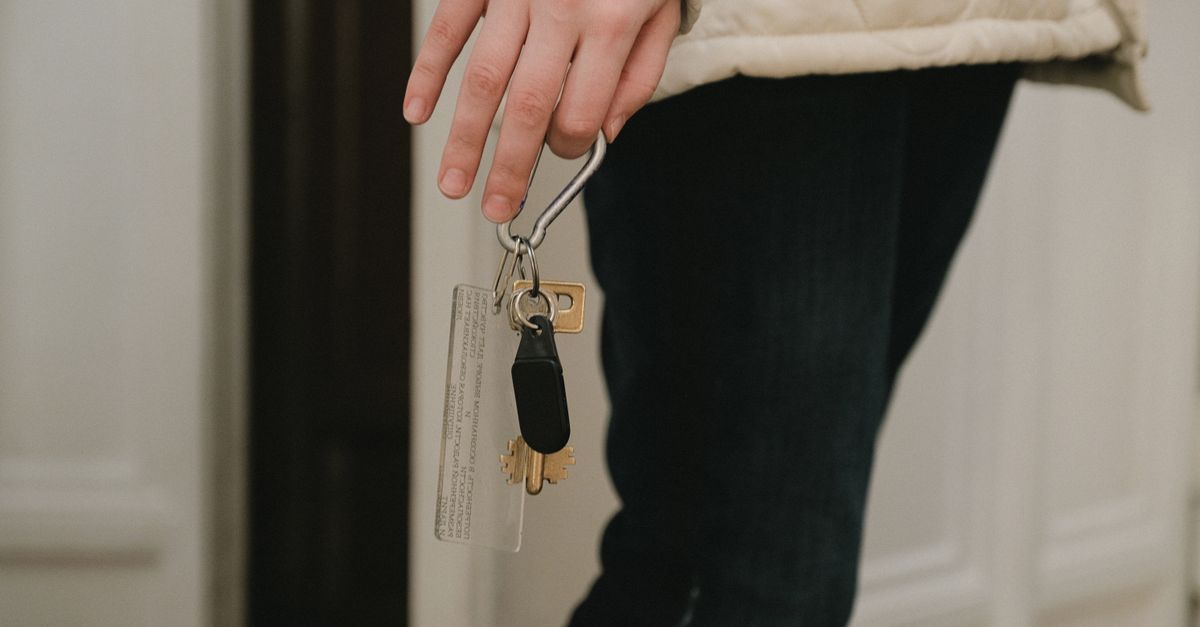
A car key made before the mid-1990s was almost entirely mechanical — a metal blank cut to match your ignition cylinder, full stop. Today, most vehicles on Toronto roads use at least one layer of electronic security. That can mean a transponder chip embedded in the key head, a proximity fob that communicates with the car's body control module, or a push-to-start smart key that must be enrolled in the vehicle's immobilizer system before the engine will even crank. Cutting the blade is only half the job; the programming step is what makes the key actually work, and it requires professional-grade diagnostic equipment synced to the specific make, model, and year of your vehicle.
Our mobile units carry key-cutting machines capable of producing laser-cut, tibbe, and standard double-sided keys, along with up-to-date programming software that covers the vast majority of domestic and imported vehicles on the road. When you call us, a technician is dispatched to your location — whether that is a condo parkade near Yonge and Eglinton, a GO Train lot in Mississauga, or a side street in the Annex — and performs the entire duplication and programming process on-site. Ownership and photo ID are verified before any work begins, protecting both you and the integrity of the service.