What Is a Mortise Lock and Why Do Toronto Homes Have So Many of Them?
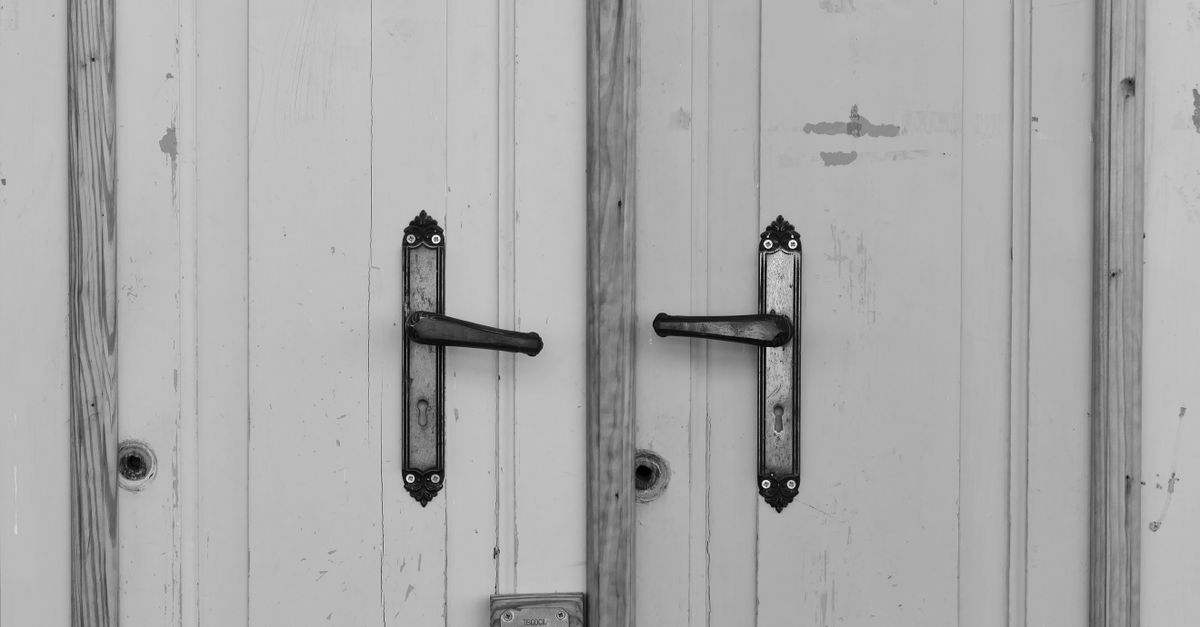
A mortise lock is a lock body that is recessed into a pocket — the mortise — cut directly into the edge of a door. Unlike a cylindrical bored lock where the hardware sits in a drilled hole through the face of the door, a mortise lock set houses the latch, deadbolt, and sometimes a night latch all within a single rectangular steel case that sits flush inside the door. This design distributes force across a much wider area of the door edge, making it inherently more resistant to kick-in attempts and door-edge splitting. That structural advantage is exactly why builders in Toronto's older neighbourhoods specified them by default, and why you will still find original castings on doors in Leslieville, Roncesvalles, and High Park homes dating back to the 1890s and 1920s.
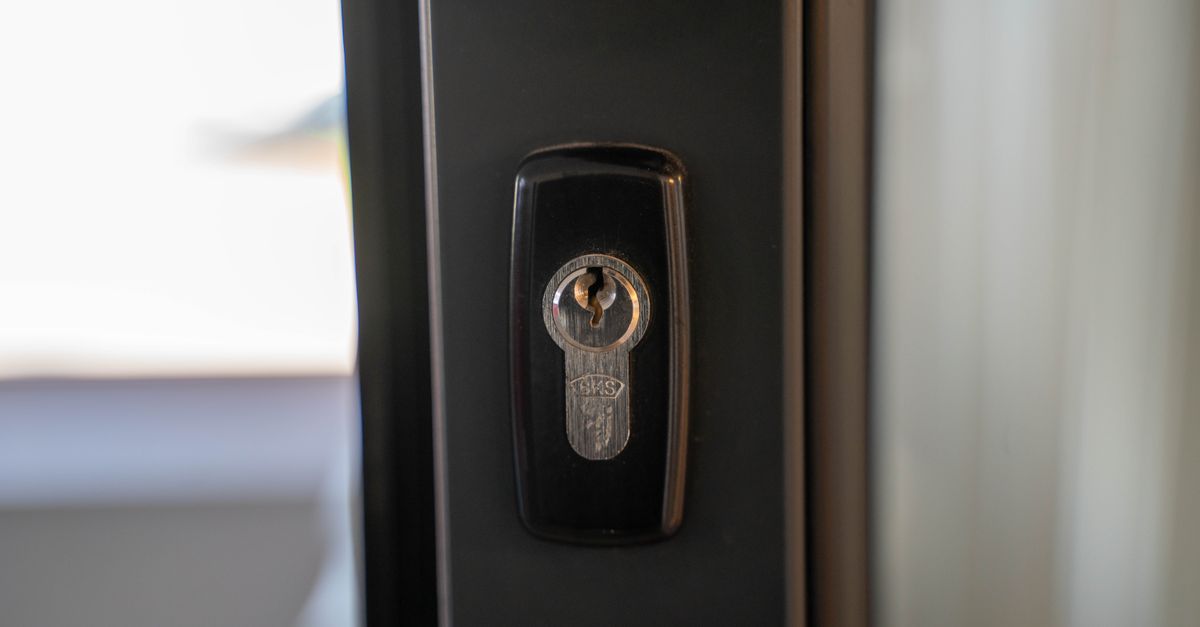
A complete mortise lock set typically includes the lock body or case, a latch bolt, a deadbolt or auxiliary bolt, a cylinder on the exterior, a thumbturn on the interior, an escutcheon plate, and a matching strike box recessed into the door jamb. When one component fails — and in aging mechanisms, they often fail one at a time — the entire system can become unreliable. Our skilled technicians are comfortable working with both heritage hardware and modern replacements, including heavy-duty commercial-grade options from brands like Corbin Russwin and Baldwin that are engineered for long-cycle, high-traffic use.