
Why Standard Window Latches Fall Short in Toronto's Housing Mix
The original latches on most Toronto windows were designed for weatherproofing, not security. A crescent sash latch on a double-hung window can be defeated without tools simply by applying lateral pressure to the frame — a well-documented vulnerability in older housing stock like the Victorian rows found throughout Leslieville and Riverdale. Sliding windows in newer condo and mid-rise buildings often rely on a single-point aluminum latch that provides almost no resistance to forced lateral movement. Casement windows with a simple espagnolette bolt offer better coverage but still lack the hardened strike plate and reinforced cylinder that a purpose-built window lock provides. Our technicians have surveyed thousands of Toronto windows and understand exactly which hardware gaps are most commonly exploited.
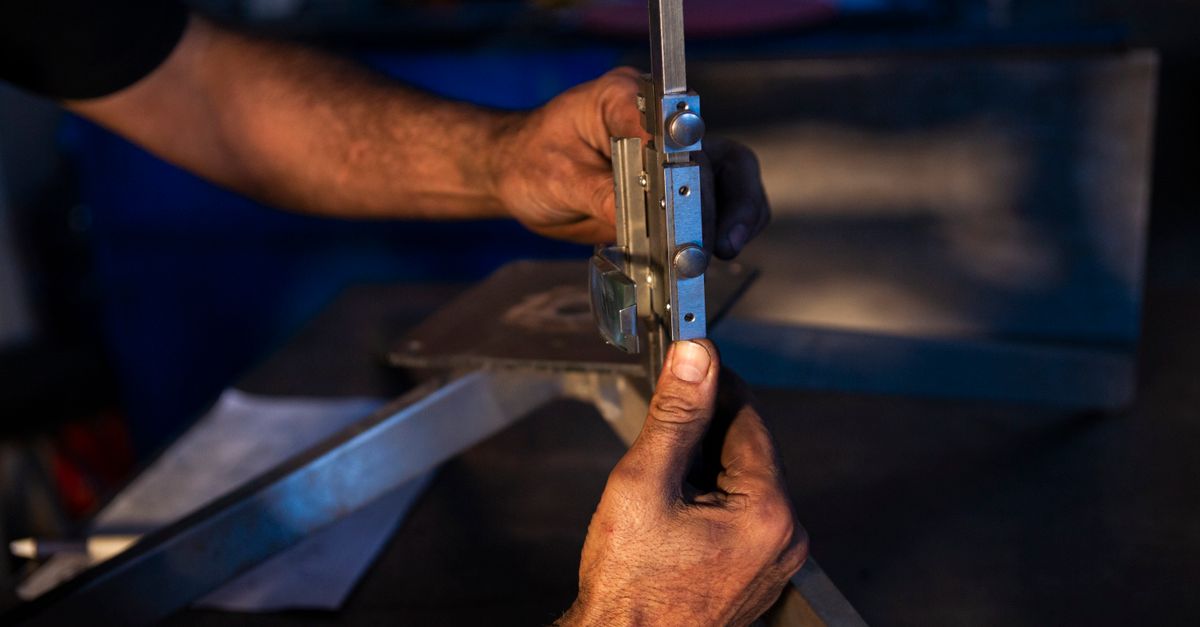
The solution is not to replace your windows — it is to layer proper locking hardware onto the existing frame. Keyed sash locks, sliding window pin locks, casement window locks with removable keys, and multi-point locking bars each address a specific vulnerability. For properties that also have large sliding glass door-window combinations — common in North York townhouses and Scarborough split-levels — a mortise lock fitted to the sliding panel provides a level of resistance that a standard latch never could. A mortise lock seats deeply into the door or window stile, distributing force across the full thickness of the frame rather than concentrating it at a surface-mounted bracket. Our experienced locksmiths specify the right hardware for each opening, then fit it cleanly and squarely so the window still operates the way it should.