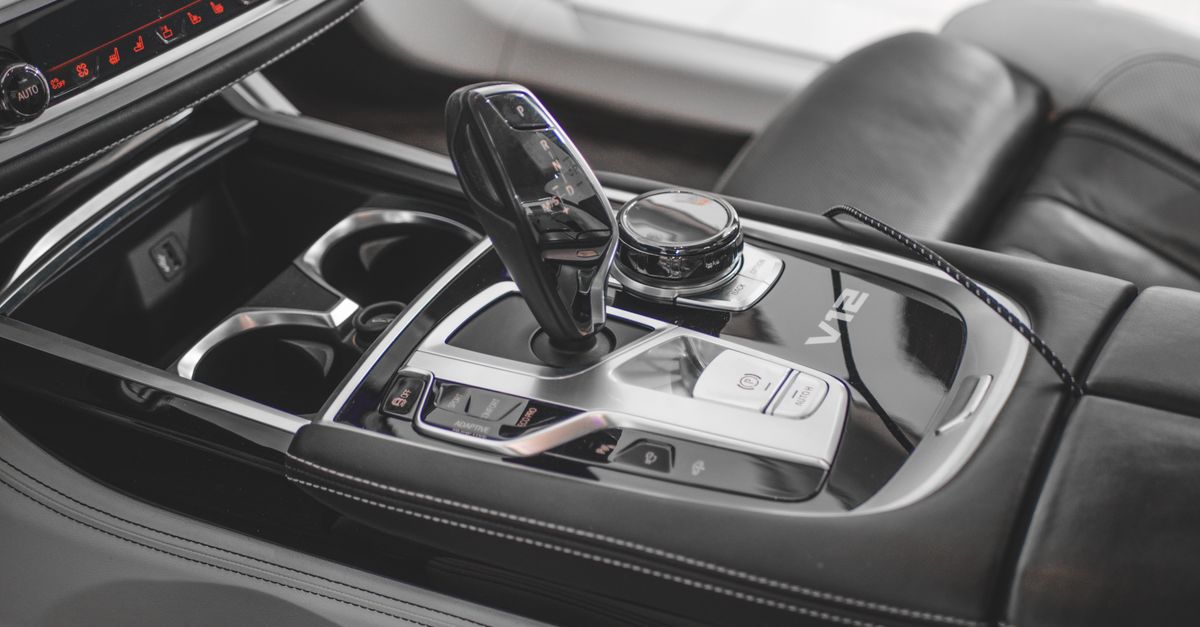
BMW Car Key Replacement: What the Process Actually Involves
A BMW key replacement is not a single task — it is a sequence of precise steps that differ depending on the model year, key type, and security generation. Older E-series BMWs used an EWS transponder system where the chip in the key head must be synchronized to the vehicle's immobilizer ring before the car will recognize it. F-series and G-series models moved to CAS and FEM/BDC modules, requiring OBD-level programming and, in some cases, dealer-level key learning procedures. Our technicians are experienced working across this full range, from classic 3 Series coupes to current X3 and X5 SUVs, and they arrive with the equipment to read the existing key data from the vehicle rather than relying on guesswork.
For drivers who have lost all keys — a situation where the car has no reference key to clone from — the process involves extracting the key seed or ISN code directly from the vehicle's control module. This is a more involved procedure, but it is done on-site at your location in Toronto, removing the need to tow your car anywhere. Once programmed, your new key is tested thoroughly: door lock, trunk release, remote functions, and most critically, ignition start. We confirm an exact up-front price before any work begins, so you know what to expect — the final quote depends on factors like your specific BMW model, the key type required, parts needed, and the time of day you call.