Why Home Lock Rekeying Beats a Full Lock Change After Moving In
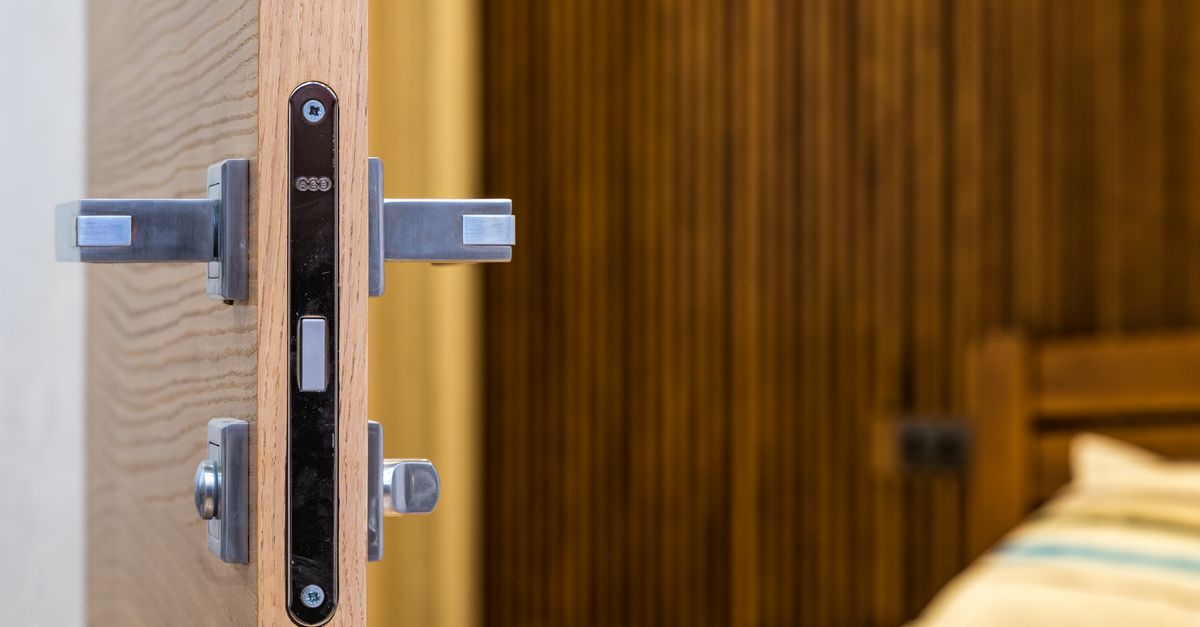
When you take possession of a new home, your instinct might be to replace every lock entirely. A full home lock change does make sense in some situations — for example, when hardware is visibly damaged, outdated, or you want to upgrade to a higher-security cylinder. But in most post-move scenarios, the existing locks are perfectly sound mechanically; the only real concern is the unknown key history. Rekeying addresses exactly that: a trained technician disassembles the lock cylinder, replaces the internal pin tumblers with a new set sized to a freshly cut key, and reassembles everything. The lock body, the strike plate, the finish — all of it stays in place. The result is a brand-new key profile that no previously cut copy will open.
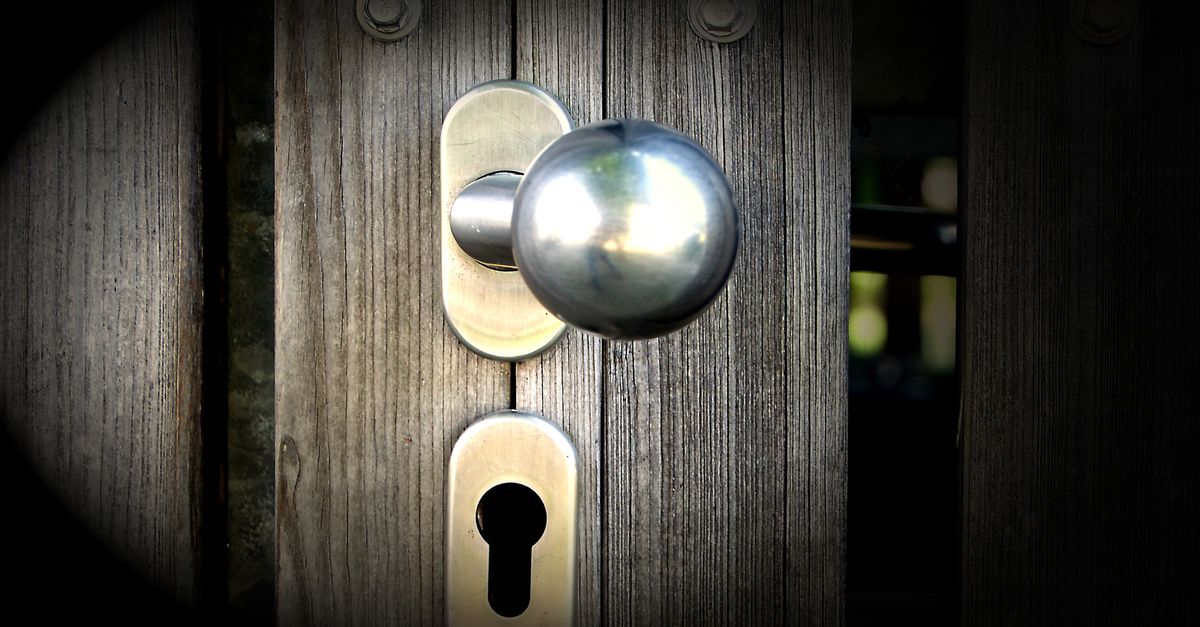
This matters practically when you have multiple exterior entry points, which is common in Toronto's older housing stock. A typical detached or semi-detached home may have a front door fitted with a mortise lock, a rear door with a cylindrical knob or lever set, a side-gate padlock, and possibly an interior garage entry. Rekeying all of them to operate on a single key during one visit is something our mobile team does every day. You end up with full-perimeter control, a single key to manage, and hardware that often remains under its original manufacturer warranty — all without the material cost of replacing every lock body on the property.