Why Your Vehicle Brand Determines How Car Key Replacement Actually Works
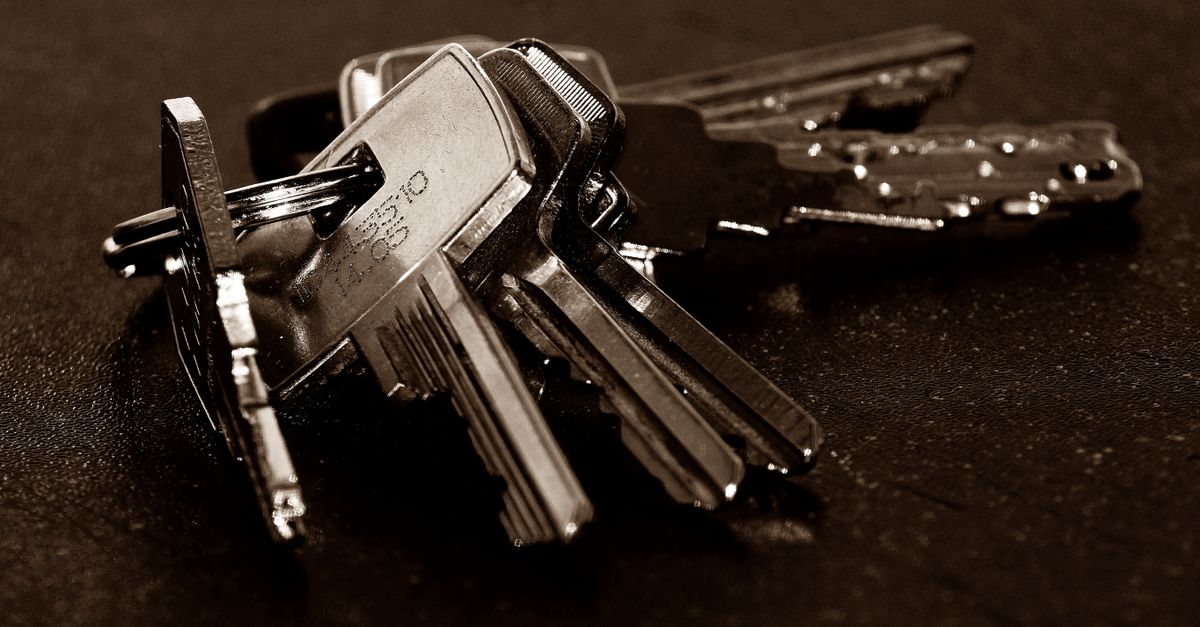
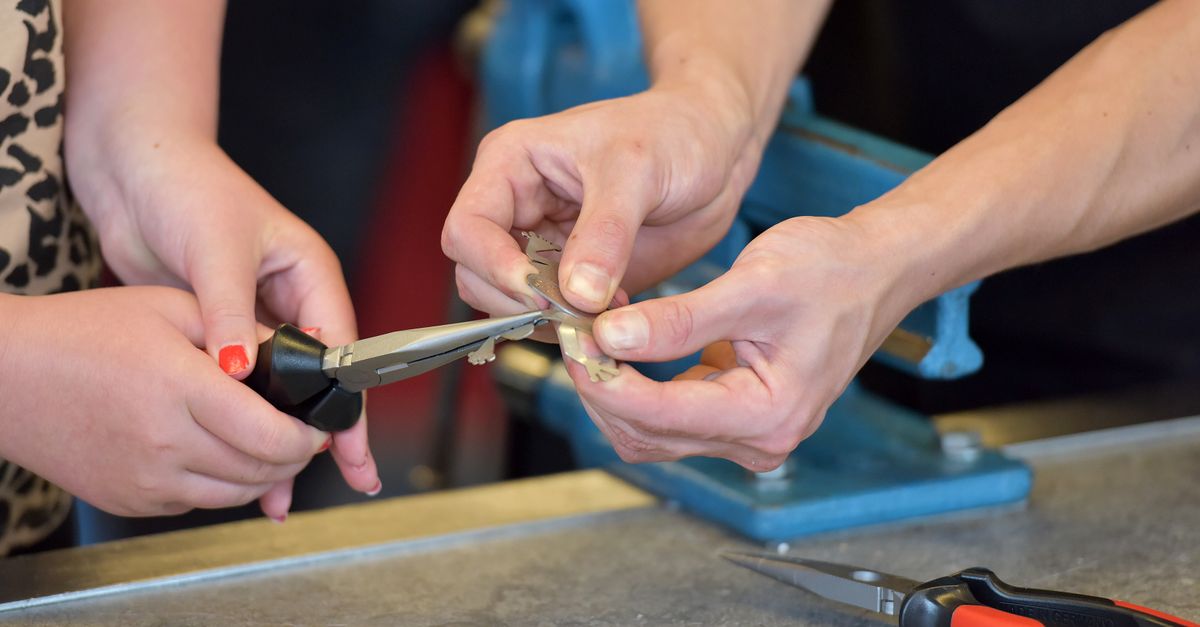
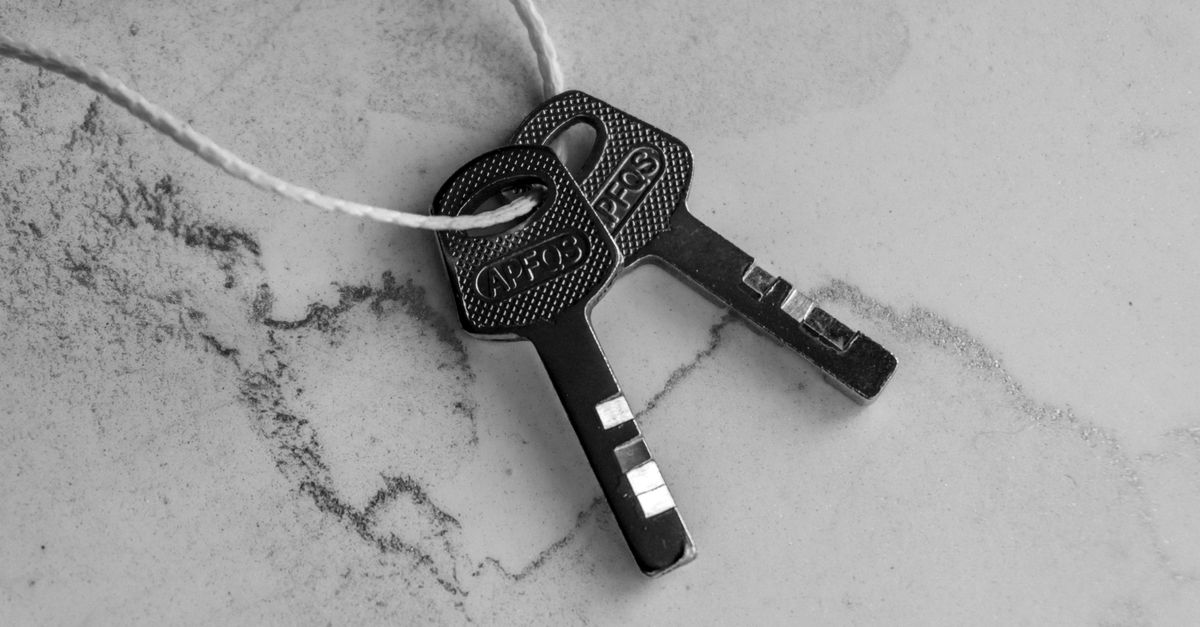
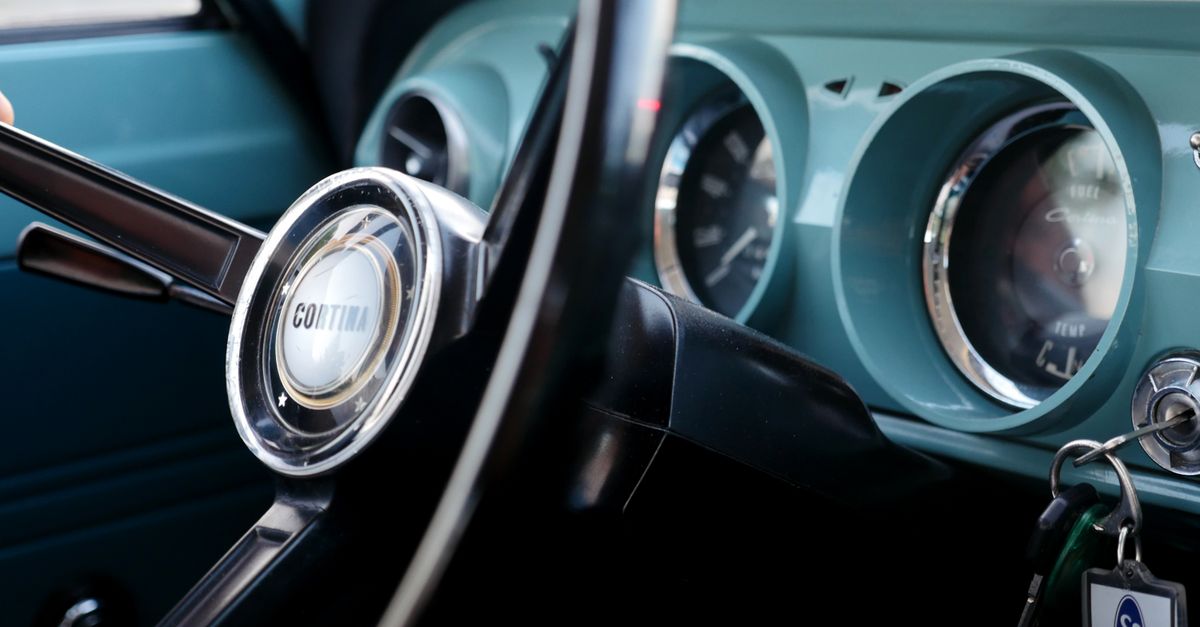
Not all replacement car keys are created equal, and the gap between a basic mechanical cut and a full transponder or proximity-key replacement is significant — in terms of time, equipment, and the programming steps involved. A traditional mechanical key for an older domestic vehicle like a late-1990s Ford F-150 or Chevrolet Silverado requires precision cutting to match the key blank to the ignition wafer pattern, but no electronic programming. Move forward a decade and almost every vehicle on the road uses a transponder chip embedded in the key head — the car's ECU must recognize that chip's unique code or the engine will crank but not start, even with a perfectly cut blade. Our technicians carry a library of OEM-spec key blanks and programmer interfaces specifically built for Ford, General Motors, Chrysler, Toyota, Honda, Hyundai, Kia, Nissan, Volkswagen, BMW, Mercedes-Benz, Subaru, and more, so the visit to your location is rarely a guessing game.
Smart keys and proximity fobs — common on newer Toyota Camrys, Honda CR-Vs, BMW 3 Series, and virtually every recent Hyundai or Kia — add another layer of complexity. These devices communicate with the vehicle over a short-range radio frequency and must be paired to the specific vehicle identification number. Programming a smart key incorrectly, or using a generic programmer that lacks the correct firmware for that brand, can lock out the other keys already on the vehicle — a costly mistake we are specifically trained to avoid. When you call (647) 692-2560, we ask for your year, make, model, and VIN upfront so our technician arrives with the right blank and the right programming interface the first time.